Sun-Thu 08:00AM-05:00PM

Cataract

Cataract Treatment: Restoring Clear Vision

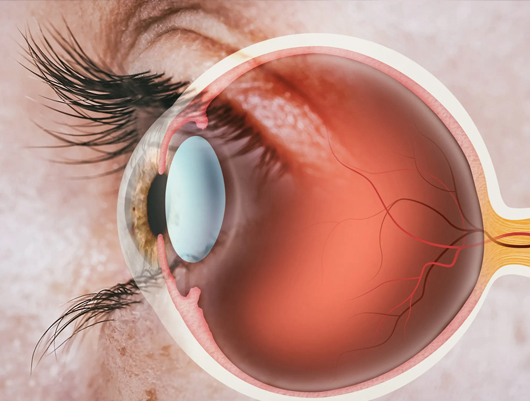
Cataracts are a common eye problem, especially as we age. They cause the natural lens of the eye to become cloudy, making vision blurry or dim. Early on, cataracts may not affect your daily life much. Your doctor might suggest stronger glasses, magnifying lenses, or better lighting to help you see more clearly for a while. But as cataracts get worse, surgery is the only way to truly fix the problem and restore your vision.

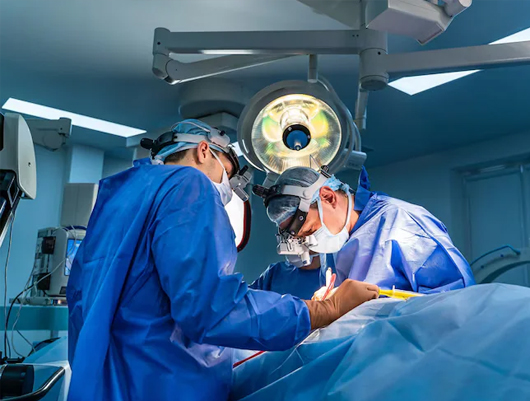
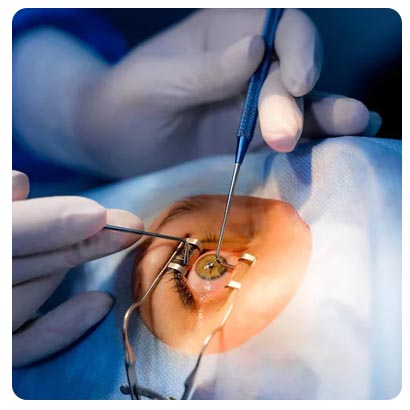
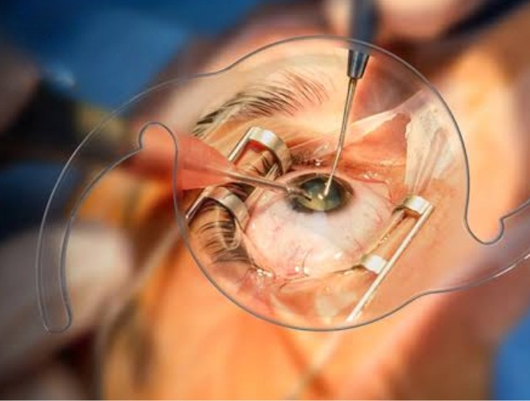
Cataract surgery is one of the safest and most successful surgeries done today. It’s usually a quick, outpatient procedure, meaning you can go home the same day. The doctor removes the cloudy lens and replaces it with a clear artificial lens, called an intraocular lens (IOL). There are different types of IOLs, such as monofocal (for one distance), multifocal (for both near and far), and toric lenses (for people with astigmatism). Your eye doctor will help you choose the best lens for your needs.

There are a few main types of cataract surgery:

  • 1. Phacoemulsification: The most common method, using ultrasound to break up the cloudy lens so it can be removed through a small cut. Recovery is usually fast.
  • 2. Extracapsular Extraction: Used for very advanced cataracts, this method removes the lens in one piece through a bigger cut. Recovery takes a bit longer.
  • 3. Laser-Assisted Surgery: Uses a special laser for even more precision and a quicker recovery.

After surgery, most people notice their vision improves within a few days. It’s normal to have some mild discomfort, but serious problems are rare. Your doctor will give you eye drops and instructions to help you heal.

If you or a loved one are struggling with cloudy vision, don’t wait—talk to Dr Neelima Aron (Senior Consultant Ophthalmology ) about cataract treatment. With modern options, you can get back to enjoying life with clear sight!
After surgery, most people notice their vision improves within a few days. It’s normal to have some mild discomfort, but serious problems are rare. Your doctor will give you eye drops and instructions to help you heal.

If you or a loved one are struggling with cloudy vision, don’t wait—talk to Dr Neelima Aron (Senior Consultant Ophthalmology ) about cataract treatment. With modern options, you can get back to enjoying life with clear sight!
Book an Appointment & You’re Done!

Want to see better? Booking an appointment is easy. Just call us or book online. Our friendly team is ready to help with all your eye care needs. Contact us today to schedule your visit!

Eye Treatments We Provide

Our highly-trained, experienced, and dedicated team of ophthalmologists specializes in treating an array of eye conditions.

  • Cataract

  • Glaucoma

  • Cornea

  • Laser

  • Medical Retina

Cataract

Cataracts are a common eye problem, especially as we age. They cause the natural lens of the eye to become cloudy, making vision blurry or dim. Early on, cataracts may not affect your daily life much. Your doctor might suggest stronger glasses, magnifying lenses, or better lighting to help you see more clearly for a while. But as cataracts get worse, surgery is the only way to truly fix the problem and restore your vision.

Symptoms of cataracts include:

  • Clouded, blurred or dim vision.
  • Trouble seeing at night.
  • Fading or yellowing of colors.

Glaucoma

Glaucoma can damage your optic nerve and lead to vision loss or even blindness if not treated early. It usually happens when pressure builds up inside your eye, often because fluid can’t drain properly. The scary part? Glaucoma often has no early symptoms, so many people don’t even know they have it until their vision starts to fade.

Symptoms of Glaucoma include:

  • Eye pain or pressure
  • Headaches
  • Red or bloodshot eyes
  • Blurred vision

Cornea

The cornea is the clear, dome-shaped surface at the front of your eye that helps focus light for sharp vision. When the cornea gets damaged or diseased, it can cause blurry vision, pain, redness, or even vision loss. Common corneal problems include infections, injuries, keratoconus (when the cornea thins and bulges), and scars.

Symptoms of Cornea include:

  • Extreme sensitivity to light
  • Pus or discharge from your eyes
  • Blurred vision

Laser Eye Surgery

LASIK is the most popular option. In LASIK, a thin flap is made on your cornea, then a laser reshapes the tissue underneath to correct nearsightedness, farsightedness, or astigmatism. The flap is then placed back, and recovery is usually quick—most people see better within a day or two.

For the first week after your surgery, you may have:

  • Lubricating eye drops to manage dry eye symptoms.
  • Antibiotic eye drops to prevent infection.
  • Steroidal eye drops to prevent inflammation.

Medical Retina

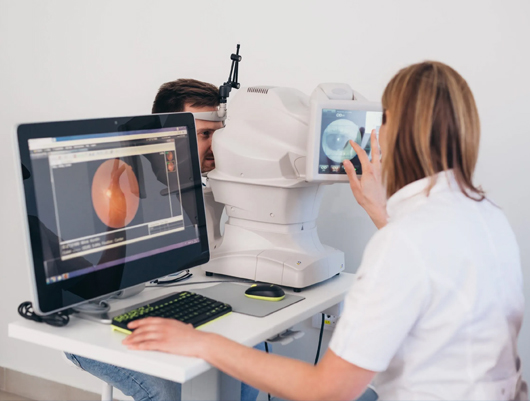
The medical retina is a vital part of your eye health, focusing on diagnosing and treating diseases that affect the retina—the thin, light-sensitive layer at the back of your eye. The retina’s job is to capture light and send signals to your brain, helping you see images clearly.

Common of Medical Retina Problems:

  • Diabetic retinopathy
  • Enteral serous retinopathy
  • Hereditary/genetic retinal disorders.
Testimonials

What Our Patients Are Saying About Us